Biography
Amir Khusro was born into a culturally rich family during the Delhi Sultanate period. His father was of Turkish origin, while his mother belonged to India. This blend of cultures deeply influenced Amir Khusro’s writing and musical creativity. From an early age, Amir Khusro showed extraordinary talent in poetry and literature.
After losing his father at a young age, Amir Khusro faced several hardships, but his passion for learning never faded. He mastered Persian poetry and later became associated with royal courts. Amir Khusro served under several Delhi Sultans and gained recognition for his intelligence, wit, and artistic brilliance.
One of the most defining moments in Amir Khusro’s life was meeting the great Sufi saint Hazrat Nizamuddin Auliya. Their spiritual bond transformed Amir Khusro into not just a court poet but also a spiritual devotee. His poetry reflected love, humanity, devotion, and divine connection.
Amir Khusro is widely credited with shaping Hindustani classical music and popularizing Qawwali traditions. His works continue to inspire musicians, poets, and scholars across generations.
Career Highlights
The career of Amir Khusro was remarkable and multifaceted. He worked as a poet in royal courts while simultaneously contributing to music and Sufi literature. Amir Khusro wrote several Persian books, ghazals, riddles, and devotional songs that remain popular even today.
Amir Khusro is often associated with the development of Qawwali music. Many historians also credit him with introducing musical innovations in Indian classical music. His compositions blended Persian and Indian styles beautifully, creating a unique cultural identity.
Some of the most famous works of Amir Khusro include:
- “Chaap Tilak”
- “Aaj Rang Hai”
- “Zehaal-e-Miskin”
- “Khusro Nizam Ke Bal Bal Jaiye”
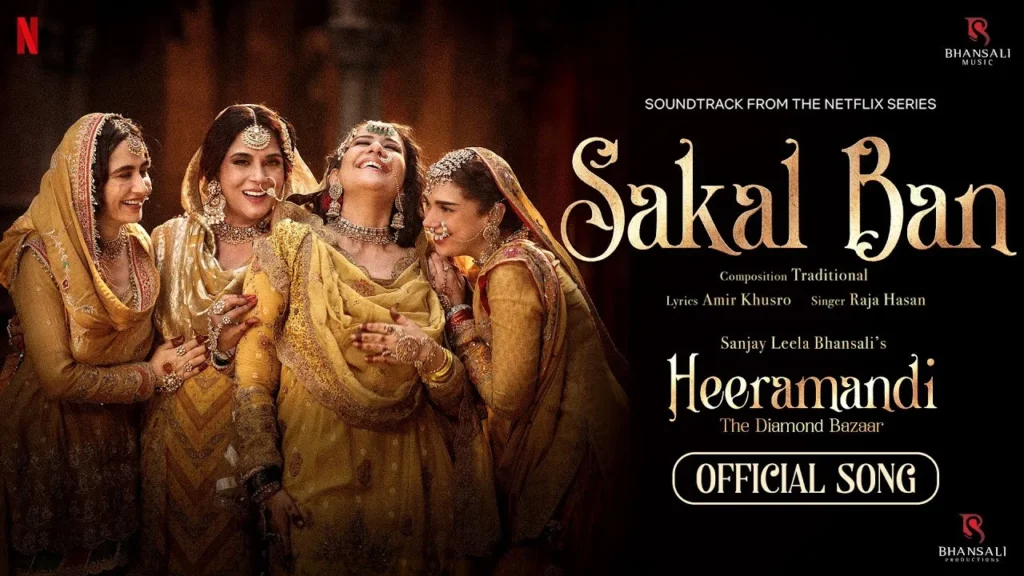
The poetry of Amir Khusro beautifully expressed spiritual love and devotion. His influence can still be seen in Sufi music festivals, classical performances, and Bollywood adaptations of traditional songs.
Relationships & Personal Life
Historical records about the personal relationships of Amir Khusro are limited. It is believed that Amir Khusro was married and had a family, though detailed information about his wife and children is not widely documented.
The strongest emotional and spiritual relationship in Amir Khusro’s life was with his mentor and spiritual guide, Hazrat Nizamuddin Auliya. Amir Khusro’s devotion toward his guru became legendary in Indian Sufi history. After the death of Hazrat Nizamuddin Auliya, Amir Khusro reportedly became deeply heartbroken and passed away a few months later.
There are no major controversies or scandals associated with Amir Khusro, as his life was primarily dedicated to spirituality, literature, and music.
Other Interesting Facts
- Amir Khusro was highly educated in Persian literature and Islamic studies.
- He is often called the “Father of Qawwali.” Amir Khusro wrote poetry in both Persian and Hindavi languages.
- His writings played a major role in the evolution of Urdu and Hindi literature.
- Amir Khusro loved traveling and spent time across different regions under royal patronage.
- Many classical singers still perform Amir Khusro’s compositions at Sufi gatherings and concerts.
- His tomb is located near the shrine of Hazrat Nizamuddin Auliya in Delhi.
- Amir Khusro’s riddles and folk songs remain popular among Indian audiences even today.
Conclusion: The Legacy of Amir Khusro
Amir Khusro was more than just a poet or musician; he was a cultural bridge who united Persian and Indian traditions through art, music, and spirituality. His timeless poetry, soulful compositions, and contribution to Sufi culture continue to influence generations around the world. Amir Khusro’s legacy lives on in classical music, Qawwali performances, literature, and spiritual teachings. Even centuries later, Amir Khusro remains one of the greatest artistic and spiritual icons in Indian history. Share your favorite Amir Khusro poem or song and celebrate the everlasting legacy of this legendary figure.