Biography
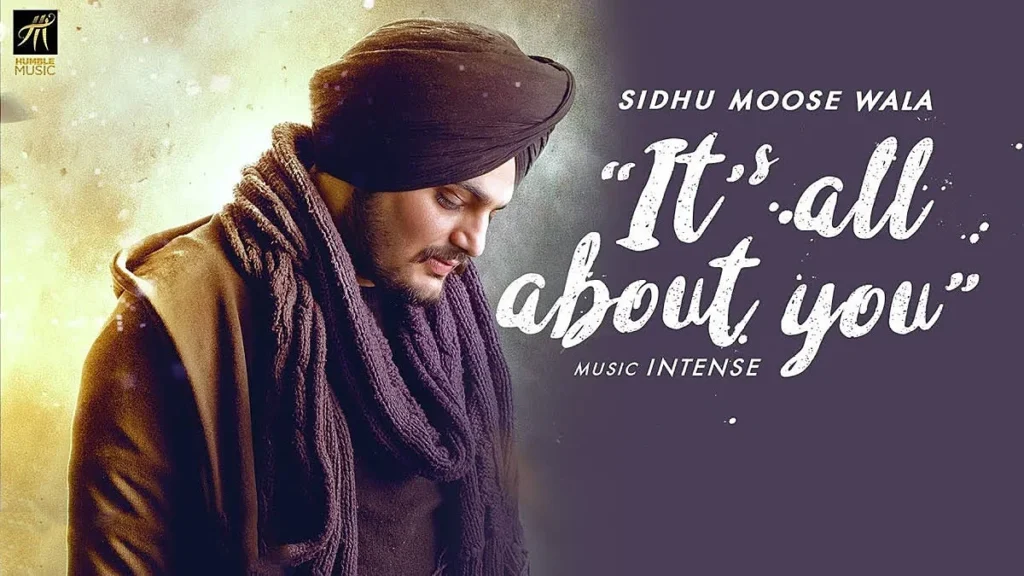
Shubhdeep Singh Sidhu — later known worldwide as Sidhu Moose Wala — came from the modest village of Moosa in Punjab’s Mansa district. Growing up in a Jatt Sikh family, he spent childhood years rooted in Punjab’s rural culture. While studying engineering in Ludhiana, he discovered a deep passion for music, especially hip-hop, and began training under a music tutor.
After graduating, Sidhu briefly moved to Canada, but his heart stayed with Punjabi music and his home roots.With a strong identity tied to his village, he adopted the name “Moose Wala” as his stage surname — a homage to his beginnings.
Sidhu’s early life experiences, combined with his love for hip-hop and Punjabi storytelling, forged a unique artistic identity — one that resonated with youth across Punjab, India and among diaspora communities worldwide. His emergence signaled a shift: raw, unapologetic Punjabi music with global appeal.
Career Highlights
🎵 Music Career & Rise to Fame
- Sidhu began as a songwriter — penning tracks for others — before stepping into the spotlight himself.
- His first notable songs as a singer gained attention, but his real breakthrough came with “So High” in 2017 — a track that brought his style of Punjabi-hip hop into mainstream ears.
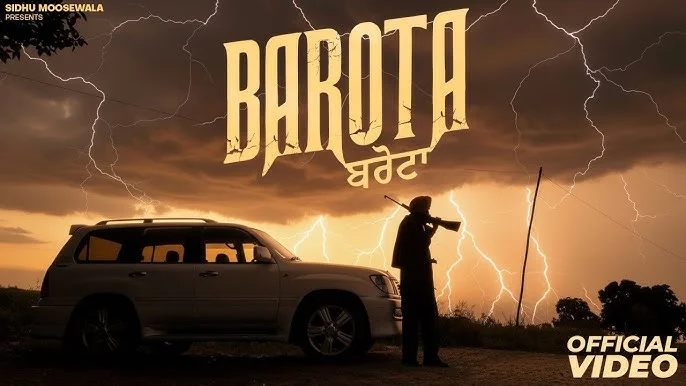
- Over the next few years, he released multiple hit tracks — from “Same Beef”, “G Wagon”, “Tochan” to powerful anthems like “Bambiha Bole” — building a massive fan base.
- In 2021, his song “295” gained huge popularity, and in 2022 he released “The Last Ride”, just days before his tragic death — a song that soared on global charts posthumously.
🎬 Acting & Other Ventures
- Besides music, Sidhu also ventured into Punjabi cinema, acting in films like Yes I Am Student, Moosa Jatt, and Jattan Da Munda Gaun Lagya.
- He also founded his own production/record label — expanding his role from artist to entrepreneur.
Through these multiple avenues — music, lyrics, acting — Sidhu Moose Wala transformed from a village youth into a dynamic icon of Punjabi and global music culture.
Relationships & Personal Life
Sidhu Moose Wala’s personal life was often private; publicly, there is no widely verified information confirming a spouse or children before his death.
However, his deep attachment to his roots — village Moosa, family background, and sense of identity — was reflected in his songs and public statements.
His life outside music — ambitions, controversies, and always speaking his mind — often mirrored the raw realism of his songs.
Other Interesting Facts
- Sidhu Moose Wala studied electrical engineering before pursuing music, a contrast that makes his switch to art all the more striking.
- His stage name carried pride: “Moose Wala” links him forever to village Moosa, highlighting his humble origins and loyalty to his roots.
- He wasn’t afraid of controversies: many of his songs addressed politics, social issues, and featured aggressive realism — which attracted both massive popularity and scrutiny.
- Even after his death, his music continues to chart globally. Posthumous releases and tributes keep his legacy alive among fans worldwide.
Conclusion: The Legacy of Sidhu Moose Wala
Sidhu Moose Wala’s journey — from Punjab’s rural Moosa to global playlists — is a story of identity, courage, and artistic rebellion. He redefined Punjabi music, blending it with hip-hop attitude, unapologetic lyrics and deep emotion. His songs gave voice to a generation, spoke about pride, pain, and reality.
Though his life was tragically cut short in 2022, his impact on music and youth culture remains profound. His legacy lives on through his songs, fan stories, and influence on upcoming Punjabi artists.